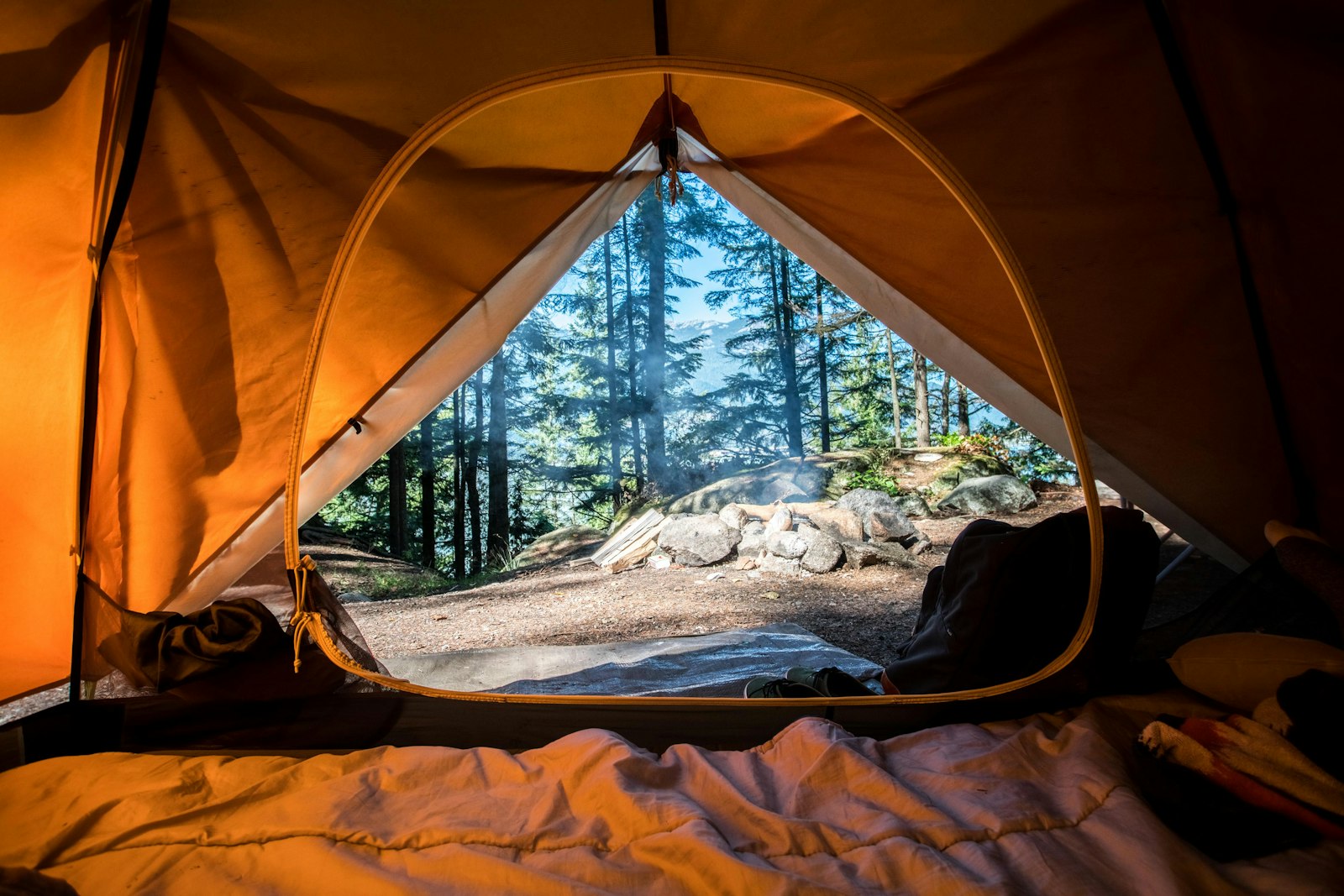
Splitting Costs Fairly on a Group Trip (Including the Person Who Owns the Tent)
You're three days back from the trip. The campsite was perfect, the weather held, the cooking went better than expected. Then someone in the group chat sends a Venmo request for $87.50 for "trip stuff" and another person sends $42.16 for "groceries you didn't buy" and now there are four threads going about whether the firewood was supposed to be split four ways or only between the people who used it.
This is the most common failure mode of an otherwise great group trip. The trip itself worked. The cost split is what people remember.
The fix isn't a fancier app. The fix is having one short, specific conversation before the trip about three things: what's shared, who's fronting what, and how the friend who owns the gear gets fairly compensated. Get those right and the rest is mechanical.
Three myths about fair splits
Most cost arguments after a trip come from one of these, and all three are wrong:
Myth 1: "Just split everything evenly."
Looks fair on paper. Isn't fair in practice. If one person owns the tent, the stove, the cooler, and the camp chairs, splitting the campsite fee evenly while ignoring the gear contribution means they're paying for the trip and subsidizing everyone else's share. They notice. They might not say it, but they notice.
Myth 2: "Whoever brings stuff brings it for free, that's just how it works."
Sounds generous. In practice, this is the reason gear-owners stop offering. After the third trip where they hauled $1,200 of equipment for free while everyone else split a campsite fee, they quietly stop suggesting trips. The "informal generosity" model is unsustainable.
Myth 3: "We'll track everything to the dollar."
Now you've turned camping into accounting. The marginal accuracy from itemizing every snack isn't worth the social cost of itemizing every snack. The right level of resolution is not "to the dollar." It's "everyone feels fairly treated."
The framework: three buckets
Here's the structure that works. Think of trip costs as three separate buckets, each with its own rule.
Bucket 1: Shared trip costs (split evenly among adult attendees)
Things that exist because the trip exists, that everyone benefits from equally.
- Campsite fees, permit fees, parking
- Group meals — the dinners and breakfasts everyone eats together
- Group consumables — fuel for the stove, ice, firewood, paper towels
- The bag of charcoal, the dish soap, the trash bags
One person typically buys these, then the total gets split evenly at the end of the trip. This is the easy bucket. Track it loosely — receipts in a phone note, total at the end.
Bucket 2: Individual costs (everyone covers their own)
Things that aren't part of the shared trip experience, even if they happen on the trip.
- Personal snacks and drinks
- Anything one person specifically wanted (the fancy cheese, the eight-pack of seltzer)
- Gas for getting to and from the trip — this is technically debatable but most groups treat it as individual unless one person is doing a meaningful detour for someone else
- Personal gear they're buying or replacing for the trip
The rule for Bucket 2: if you'd be annoyed to be charged for it as part of the group split, it belongs here.
Bucket 3: Gear contribution (the part everyone gets wrong)
This is the bucket that distinguishes trips that feel fair from trips that don't. The person who owns the tent, the stove, the cooler, and the camp chairs is providing real economic value to the trip — they're saving everyone else from renting or borrowing or going without. That value should be acknowledged in the cost split.
Two ways to handle it, both better than ignoring it:
Option A: A flat gear credit. The person who provides shared gear gets a flat $20–40 credit per night they bring it, deducted from their share of Bucket 1. Doesn't have to be precise. The point is that they're paying less than the others because they brought the things that make the trip possible.
Option B: Their share of Bucket 1 is on the house. The simplest version: the gear-owner doesn't pay for the campsite, because they're already contributing the equivalent in equipment. Works well for one or two-night trips with one obvious gear-owner.
Either approach works. The thing that doesn't work is pretending the gear is free.
The reason most group outdoor trips have a single de-facto organizer is because that person also owns the gear. They're carrying both the planning labor and the equipment cost. If the trip is also financially neutral or unfavorable for them, you'll eventually run out of trips because they'll stop suggesting them. Acknowledging the gear contribution is what keeps the cycle going.
A worked example
Four friends, two-night car camping trip. One of them (Maren) owns the tent, the stove, and the cooler.
Bucket 1 — shared:
- Campsite: $48 ($24/night)
- Group dinner Saturday: $52
- Stove fuel + ice + firewood + dish soap: $32
- Total shared: $132
Bucket 2 — individual: Each person buys their own breakfast and snacks. Whoever wanted the IPAs paid for them.
Bucket 3 — gear contribution: Maren brought the tent, stove, and cooler. The group agrees on Option A: a $30 gear credit.
Math:
- Without the gear credit, each of four people would owe $33 ($132 / 4).
- With the credit, Maren's share is $33 - $30 = $3. The remaining $129 is split among the other three: $43 each.
- Difference per person: the three friends pay $10 more, Maren pays $30 less. Total $30 transferred from the group to Maren in recognition of her gear contribution.
That's the conversation in numbers. It feels small. But "Maren pays $3 because she brought the gear" is a fundamentally different trip than "everyone pays $33 and Maren also hauled $1,200 of equipment for free." The first one Maren wants to repeat. The second one she quietly doesn't.
The conversation to have before the trip
Don't have this conversation after the trip. Have it before. Three sentences, sent to the group chat in the planning week:
"Cost-wise: I'll front the campsite and group dinner, you'll all Venmo me when we're back. Personal snacks and drinks are individual. Maren's bringing the tent and stove, so we're knocking $30 off her share to balance that out. Yell if anything looks weird."
That's it. The contract is signed. After the trip, the math is mechanical, the gear-owner is fairly treated, and nobody is surprised by anything.
What about the other things?
A few edge cases that come up:
- Driving. Most groups treat gas as individual unless one person is doing significant extra driving for the group (picking up someone with no car, driving everyone in one vehicle to save parking fees). If you're carpooling specifically to consolidate cars, split gas on the carpool ride; if you all happen to drive in separately, gas is individual.
- Kids. Kids generally don't get charged a full Bucket 1 share. A kid eats less, takes less space, doesn't drink the IPAs. Two kids = one adult share is a common heuristic. Adjust to fit.
- Rented gear. If someone rents a tent specifically for the trip (vs. owning one), the rental cost is shared by anyone who slept in that tent. That's a Bucket 1 cost, not a personal one.
- Things that go wrong and cost money. Lost gear, last-minute trip-saving purchases (the fuel canister you forgot, the cooler you bought because the original one cracked) — these are usually shared, even if one person bought them in the moment.
Why this matters more than it should
The cost conversation is the proxy for whether group trips are sustainable in your friend group long-term. If everyone feels fairly treated, the trip is repeatable — and the next one is faster than the last because the templates and gear-owners and cost rules are now established. If anyone walks away feeling stuck with the bill, the trip becomes the last one.
Fifteen minutes of explicit conversation in the planning week, plus one paragraph sent to the chat, eliminates almost all of this. It's the cheapest, highest-leverage planning move you can make for any group outdoor trip.